The high cost of home heating fuels and utilities have many residents in your community searching for alternative home heating sources, such as wood burning stoves, space heaters, and fireplaces. As your department knows, heating is one of the leading causes of residential fires. Over one-quarter of these fires result from improper maintenance of equipment, specifically the failure to clean the equipment.
Carbon monoxide (CO) poisoning is another danger when using heating equipment fueled by fossil fuel. CO deaths have been on the rise since 1999. On average, there were 181 unintentional non-fire deaths from CO poisoning associated with consumer products per year from 2004-2006 compared to 123 from 1999-2001 (Source: Consumer Product Safety Commission). Carbon monoxide poisoning is most fatal to adults age 65 or older. Remind residents to install and maintain carbon monoxide alarms to avoid risk of carbon monoxide poisoning.
Incorporate the following heating fire safety tips and statistics into your department's newsletters, e-mails, website and media interviews:
Preventing Home Heating Fires
Many heating fires can be prevented by following basic safety tips when dealing with any heating equipment:
All heaters need space. Keep anything that can burn at least three feet (one meter) away from heating equipment.
Inspect and maintain heating equipment regularly for safety.
Install stationary space heating equipment according to the local codes and manufacturer's instructions, or have a qualified professional install the equipment.
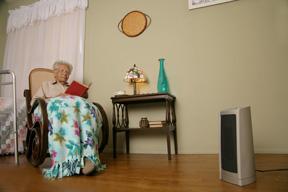
Only purchase and use portable space heaters from a recognized testing laboratory with an automatic shut-off so if they're tipped over they will shut off.
Turn portable space heaters off when you go to bed or leave the room.
Never use a space heater to dry clothing.
Never use your oven or stove for heating. Ovens and stoves are not designed to heat your home.
Wood Burning Stoves and Fireplaces
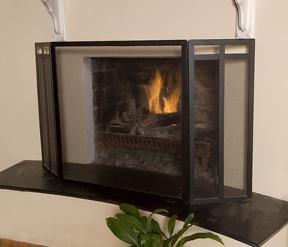
Use a metal or glass fireplace screen to keep sparks from hitting nearby carpets or furniture.
Be sure the fireplace or stove is installed properly. Wood stoves should have adequate clearance (three feet) from combustible surfaces and proper floor support and protection.
Wood stoves should be of good quality, solid construction and design, and should be evaluated by a nationally recognized laboratory, such as Underwriters Laboratories (UL).
The stove should be burned hot twice a day for 15-30 minutes to reduce the amount of creosote buildup.
Chimneys and vents need to be cleaned and inspected by a qualified professional at least once a year.
Start the fire with newspaper, kindling, or fire starters. Never use a flammable liquid, such as lighter fluid, kerosene, or gasoline, to start a fire. They produce invisible vapors that can easily catch fire.
Always use a metal or heat-tempered glass screen on a fireplace and keep it in place.
Keep flammable materials away from your fireplace mantel. A spark from the fireplace could easily ignite these materials.
Before you go to sleep, be sure your fireplace fire is out. NEVER close your damper with hot ashes in the fireplace. A closed damper will help the fire to heat up again and will force toxic carbon monoxide into the house.
If synthetic logs are used, follow the directions on the package. NEVER break a synthetic log apart to quicken the fire or use more than one log at a time. They often burn unevenly, releasing higher levels of carbon monoxide.
Never burn charcoal indoors. Burning charcoal can give off lethal amounts of carbon monoxide.
Allow fireplace and wood stove ashes to cool before disposing in a metal container.
Kerosene Heaters
Read and follow the procedure in the owner's manual before you attempt to operate or service the unit.
Learn the safety and maintenance procedures necessary to safely operate the heating unit.
In kerosene or other liquid-fueled space heaters, always use the proper grade of the proper fuel.
Never use gasoline or any other volatile fuels in the unit.
When refueling, allow the appliance to cool first and then refuel outside.
Do not fill the fuel tank past the full mark. The space above the full mark is there to allow expansion of the fuel when it is operated.
Always provide adequate ventilation for the unit. Burning kerosene consumes oxygen, and produces carbon monoxide and other dangerous gases, which may cause you to suffocate or have other respiratory problems.
Check with your local code enforcement office to make sure kerosene heaters are allowed in your community.
Electric Heaters
Check to ensure the heater has a thermostat control mechanism.
Choose a heater that will turn off automatically if it tips over.
Never dry clothes or store objects on top of the heater.
Plug space heaters directly into outlets and never into an extension cord or power strip.
Keep anything that may burn at least three feet away from the heater.
Never allow children to play with, or around, the heater.
Never place anything inside the grill on the front of the heater.
For more detailed information about heating fire safety, go to: http://www.usfa.fema.gov/citizens/focus/heating.shtm (opens in a new tab) |

 Add a Comment

