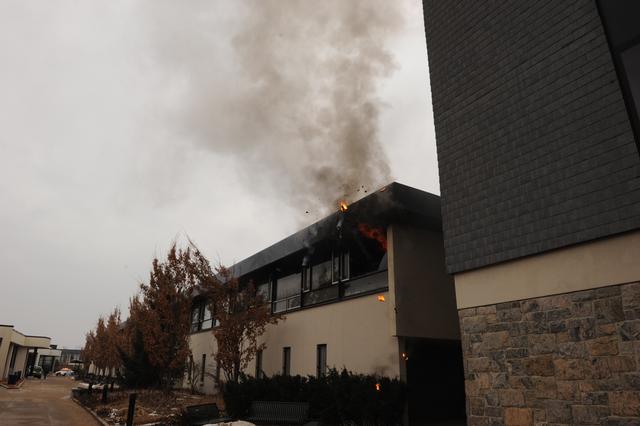
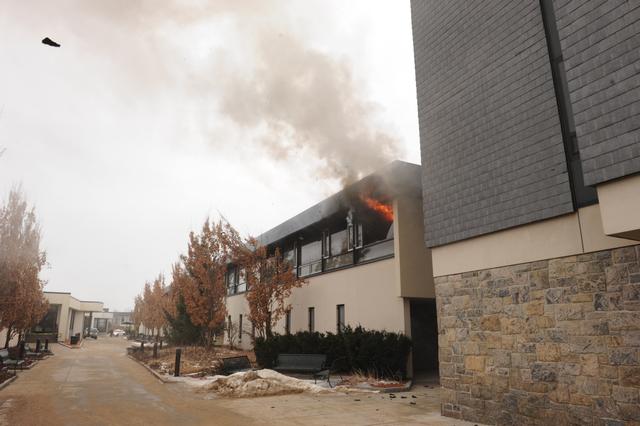
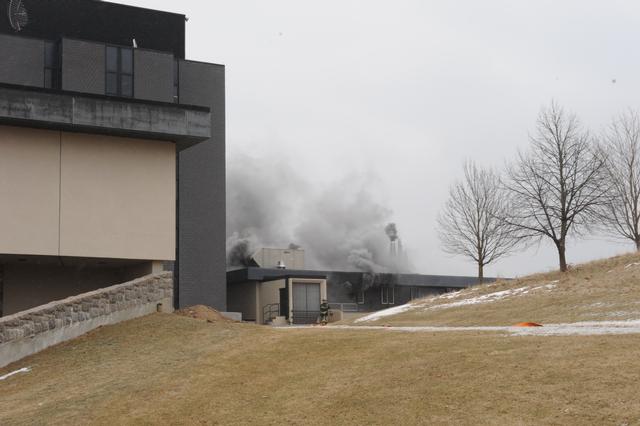
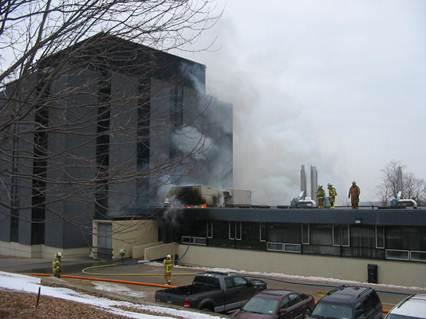
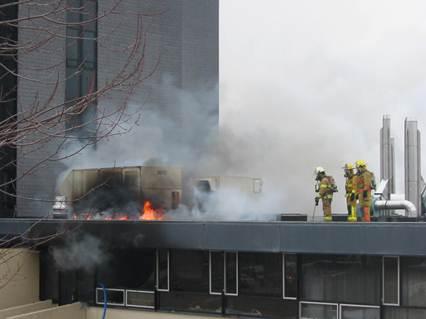
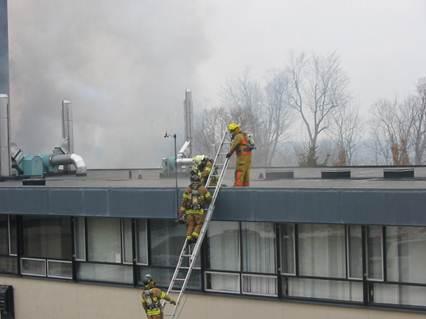
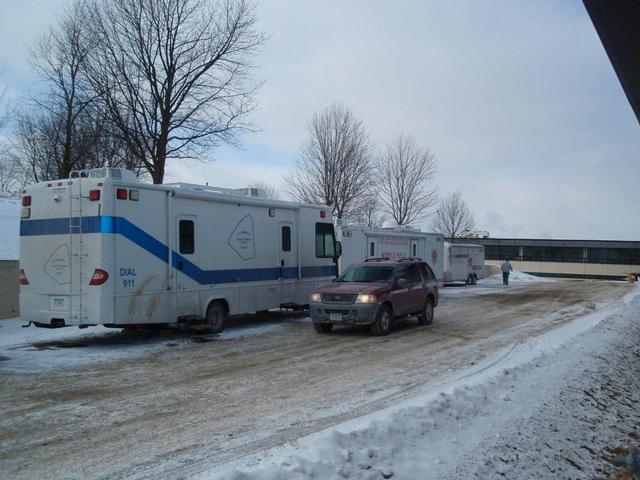
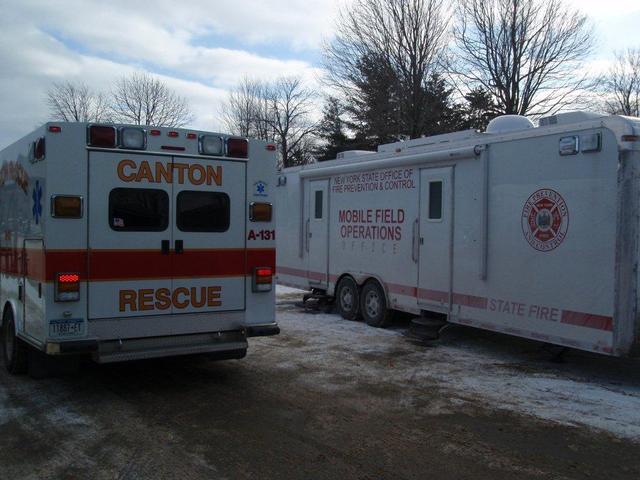
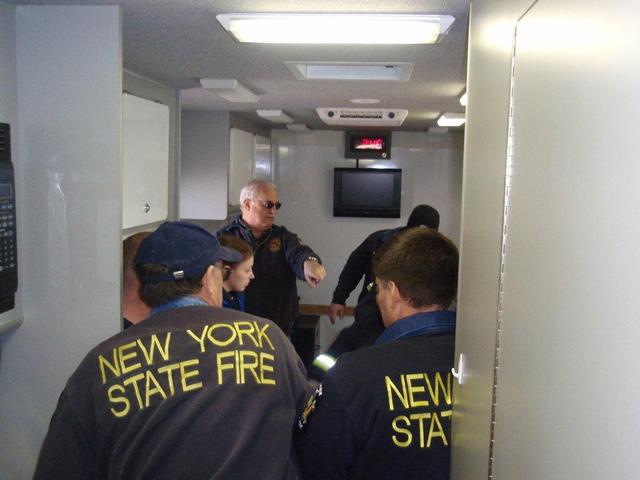
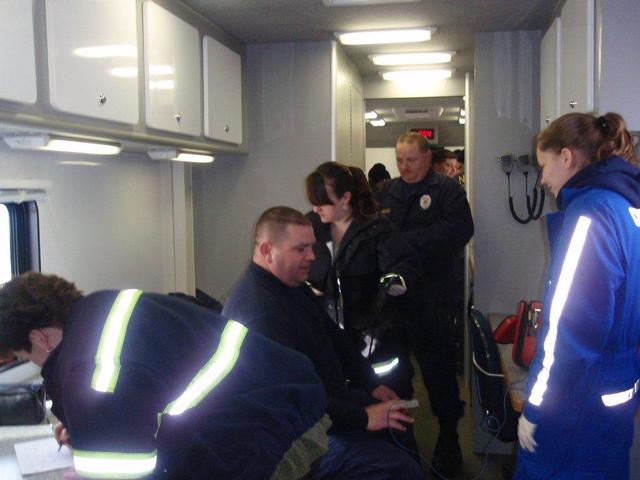
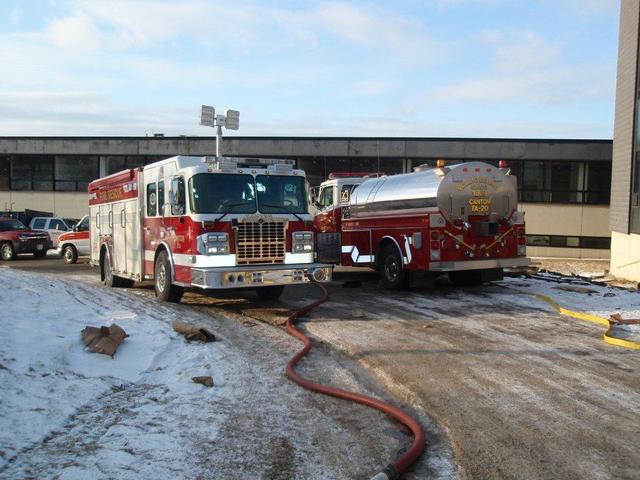
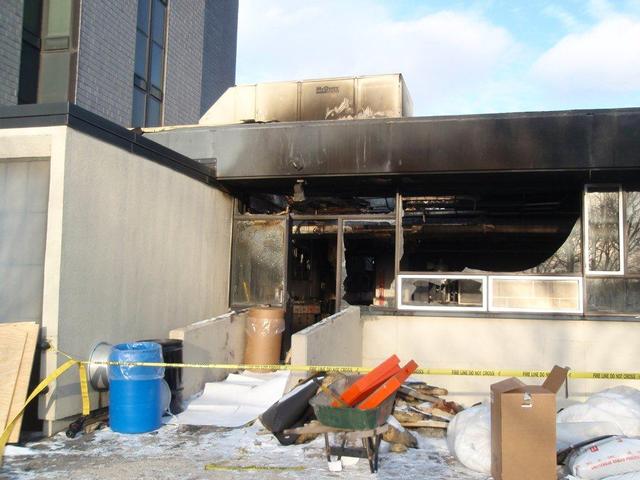
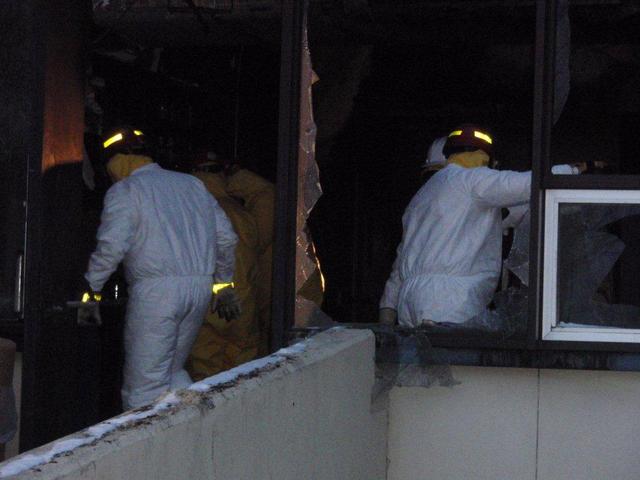
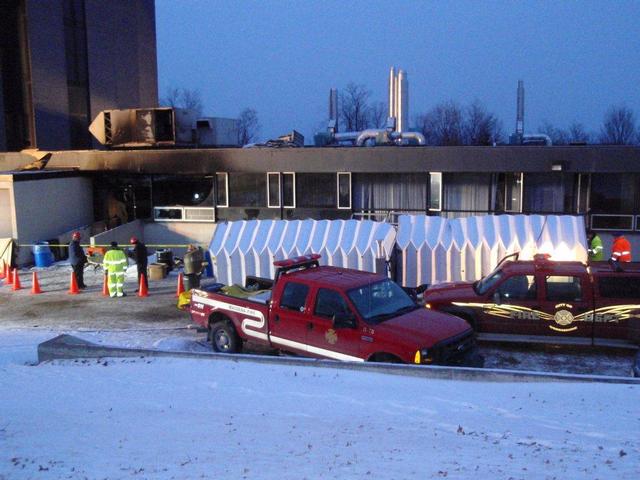
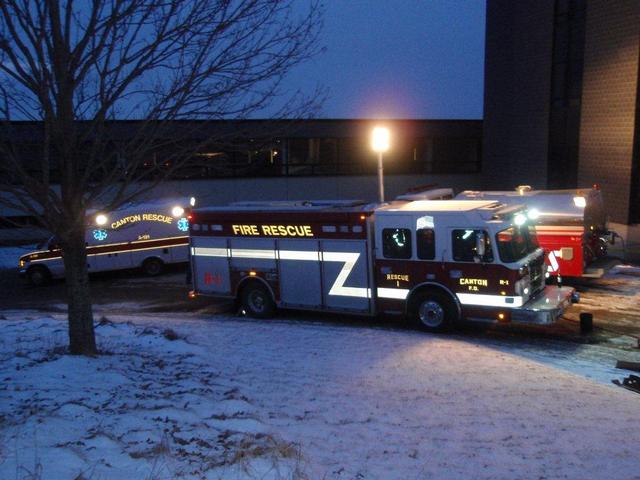
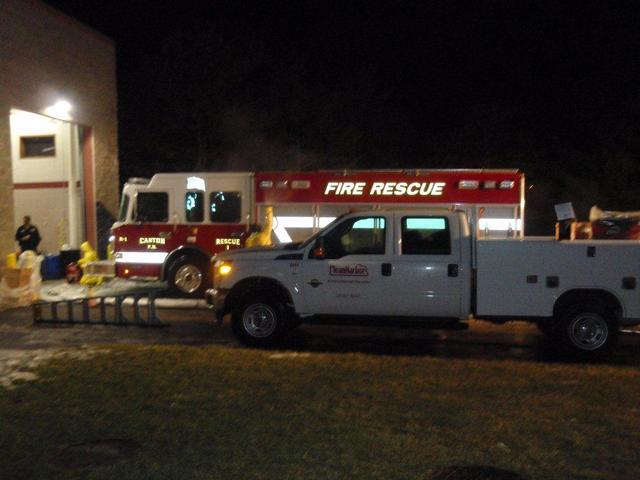
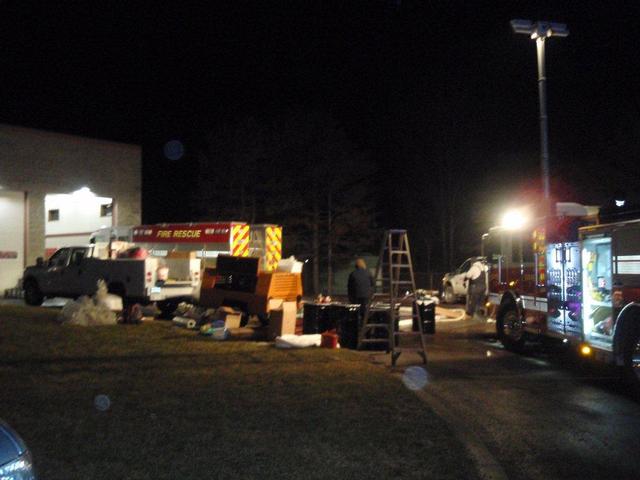
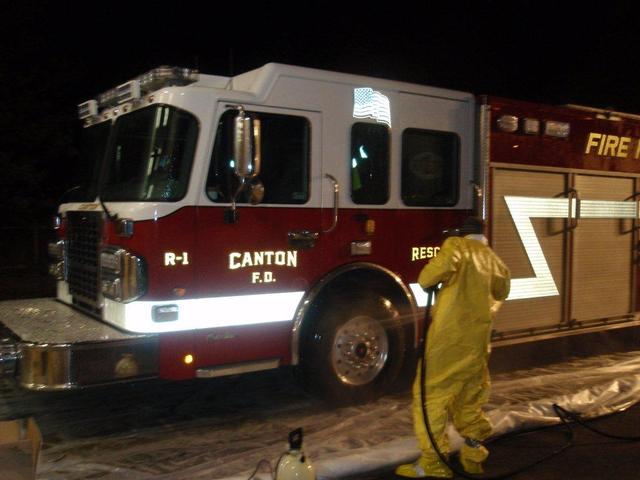
At 1135 hours the Canton Fire Department was dispatched to a fire alarm activation at Cook Hall on the SUNY Canton campus. Initial reports from Central Dispatch were that multiple detectors were activated. At 1137 SUNY University Police Lt. Brian Kurish came on the radio to advise Central Dispatch that there may be a need for breathing apparatus as the involved area was a chemistry lab and that there was a haze in the area. At 1139 Lt. Kurish confirmed a fire in Cook Hall Room 200. First Assistant Chief Bob Crowe was responding and acknowledged Lt. Kurish's transmission. Asst. Chief Crowe arrived on scene, established command and reported heavy black smoke coming from 2 fume hood vents on the roof. Chief Crowe escalated the incident to a working structure fire at 1143 and requested mutual aid for SCBA personnel from Morley Fire, Rennselaer Falls Fire, and Potsdam Fire. Just prior to arrival of fire apparatus, the windows on both chemistry labs self-vented, and the fire intensified. Engine 7 arrived on scene and was directed to lay 5" supply line to the rear of Cook Hall. Engine 6 followed Engine 7 to the rear with Tower 1 and Rescue 1 staging in adjacent driveway and parking lot areas due to congestion in the area. Additional mutual aid manpower resources were requested from Pyrites Fire, Pierrepont Fire, and West Potsdam Fire along with Tower 5 from Potsdam Fire. The Engine 7 crew stretched a 2 ½" line down the corridor to the entrance to the chemistry labs where they initiated their attack. As additional crews arrived more lines were stretched and the fire was knocked down. Heuvelton Fire had been standing by at Canton Station and as moved to the scene and with Gouverneur Fire moving in to CFD to cover any other calls. Overhaul was begun with attention paid to preserving the scene for the fire investigators. A stubborn fire had taken hold of the roofing materials and a large area of the roof had to be stripped in order to extinguish it. Representatives of the Fire Inspections and Investigations Branch of the NYS Division of Homeland Security and Emergency Services Office of Fire Prevention and Control were notified early in the incident and responded to the scene along with members of the Fire Operations and Training Branch and the Special Operations Branch. With the involvement of the chemistry lab, all members operating in the fire building or adjacent buildings were required to pass through a decontamination area set up by the SLC Haz Mat Team prior to departing the scene. Once the fire was under control, investigators from the SLC Fire Investigation Team and the NYS OFPC were able to set the investigative process in motion. With concerns for potential contamination and lack of light, the scene was secured so the investigation could continue the following morning.
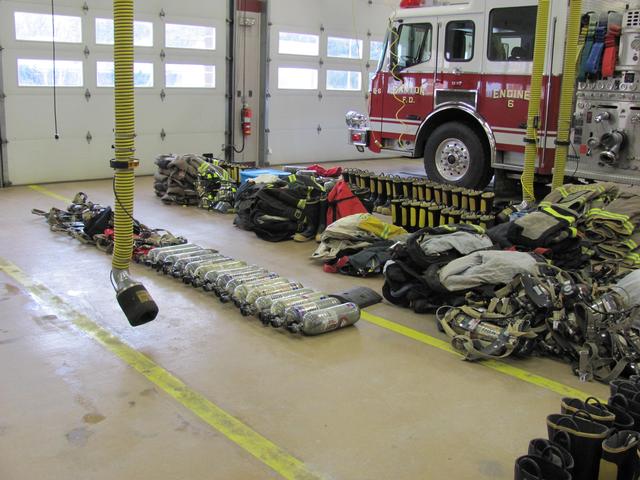
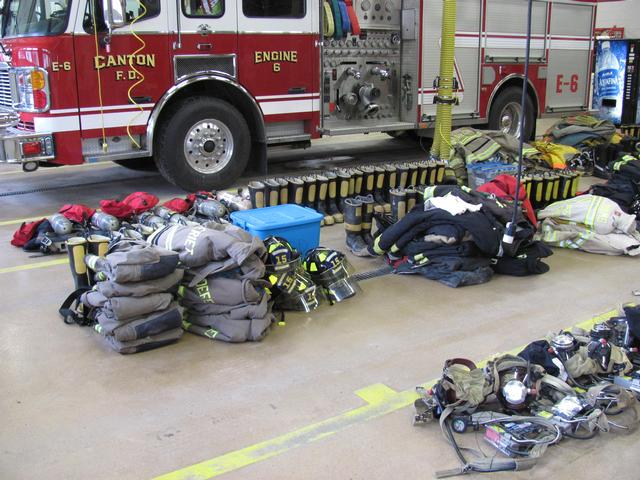
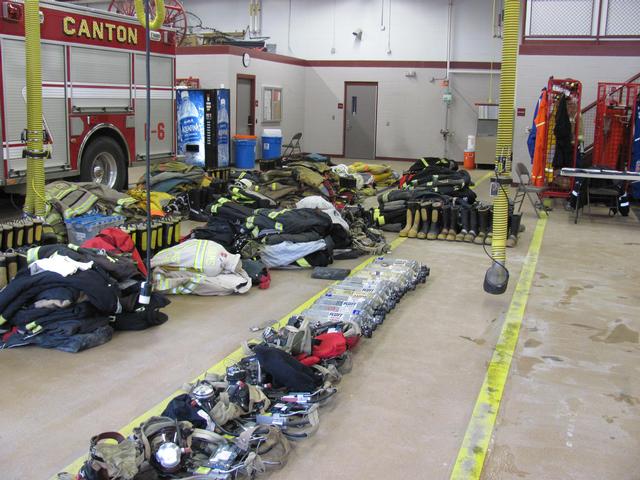
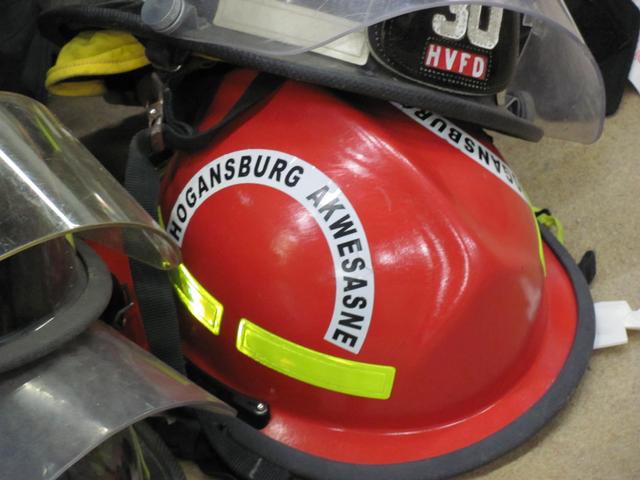
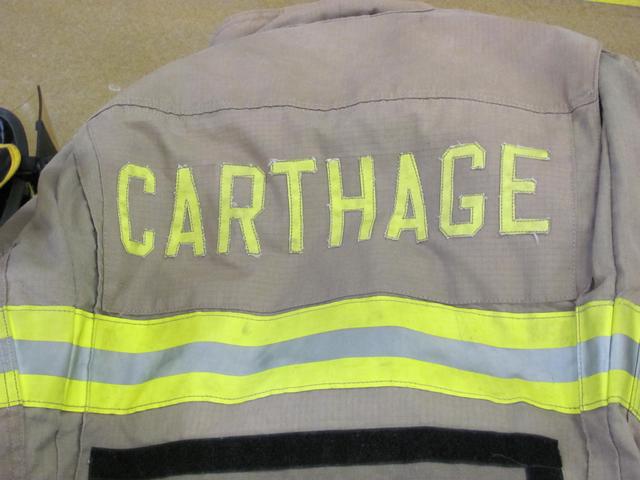
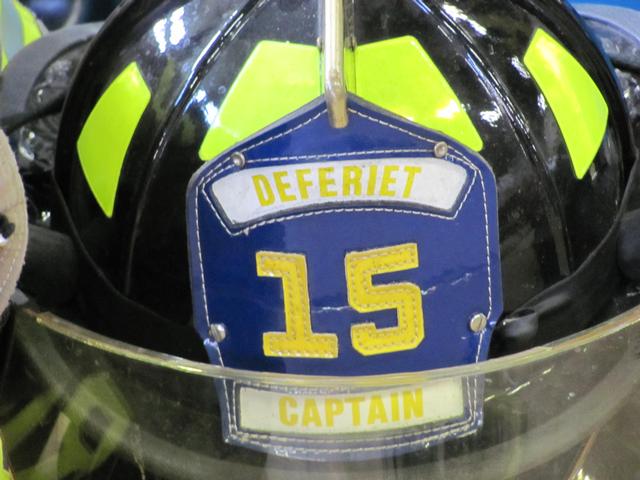
Over the next week Canton Fire maintained a presence at the incident scene, in Haz Mat and investigative support, in support of engineering staff to review the structure from above via Tower 1, as well as at the command post, with Chief Mike Dalton serving as incident commander in a unified command system. Numerous NYS agencies became involved in order to clear the buildings for re-occupation or repair and the equipment and apparatus of the fire service for re-use. Apparatus was taken out of service and turnout gear was bagged and quarantined. The NYS OFPC activated the Statewide Mutual Aid and Mobilization Plan and replacement turnout gear and SCBA were received from Franklin, Jefferson, Broome, Oswego and Tioga counties. This loaned equipment allowed the involved departments to continue to serve their communities and was invaluable to us. Once the testing had been completed on the incident scene, investigative activities could safely resume to determine the origin and cause of the fire. A decontamination plan was approved by the NYS Department of Labor and all fire department apparatus and equipment was appropriately decontaminated and returned to service.
SUNY Canton was forced to close for a week and sent all students home while the testing was completed within the fire building and adjacent buildings to ensure that they had no contamination and were safe for reoccupation. All parties involved worked closely together to facilitate a quick resolution to the contamination question and to return the campus and the local fire service to normal as quickly as possible. At the height of the incident there were over 100 firefighters and emergency service personnel from more than 12 departments operating on the scene and no injuries were reported.